Welcome to Amed: Bali’s laid-back eastern shores

Land and People: Black sand and majestic volcanoes

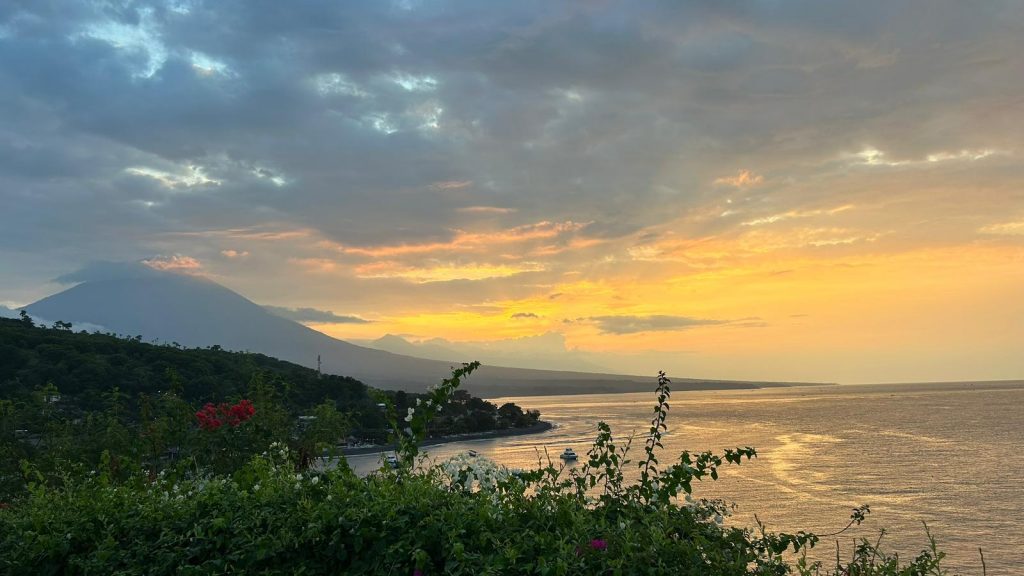
The landscape of Amed is dominated by the majestic Mount Agung, whose volcanic ash has shaped the region's unique, shimmering black sand beaches. These beaches, such as Jemeluk Bay or Lipah Beach, offer a fascinating contrast to the turquoise waters.

Authenticity: In Amed, time moves at a slower pace. Here, you can still see the traditional Jukung outrigger boats of the fishermen heading out to sea in the morning sun.

Sights: Away from the water, you can visit the impressive Water Palace Tirta Gangga or the royal palace Taman Ujung. A must-see is the Amed Sunset Point in Jemeluk, which offers a breathtaking view of Mount Agung and the sunset.

Tranquility: Amed is known for its serene and nature-focused atmosphere – perfect for you to take a deep breath.

Diving Area

Amed's Underwater Paradise: Diving for All Levels

However, the true magic of Amed lies beneath the water's surface. The region is among the best diving and snorkeling areas in Bali and is suitable for all experience levels, from beginners to seasoned tech divers. The dive sites are often easily accessible as house reefs directly from the shore or can be reached after a short trip on a Jukung boat.

In the Amed and Tulamben region, there are a total of about 25 to 30 well-known dive sites. The exact number varies slightly, as some areas (such as the Tulamben Wall) are divided into several sections, and new "muck diving" spots (for macro lovers) are constantly being discovered.

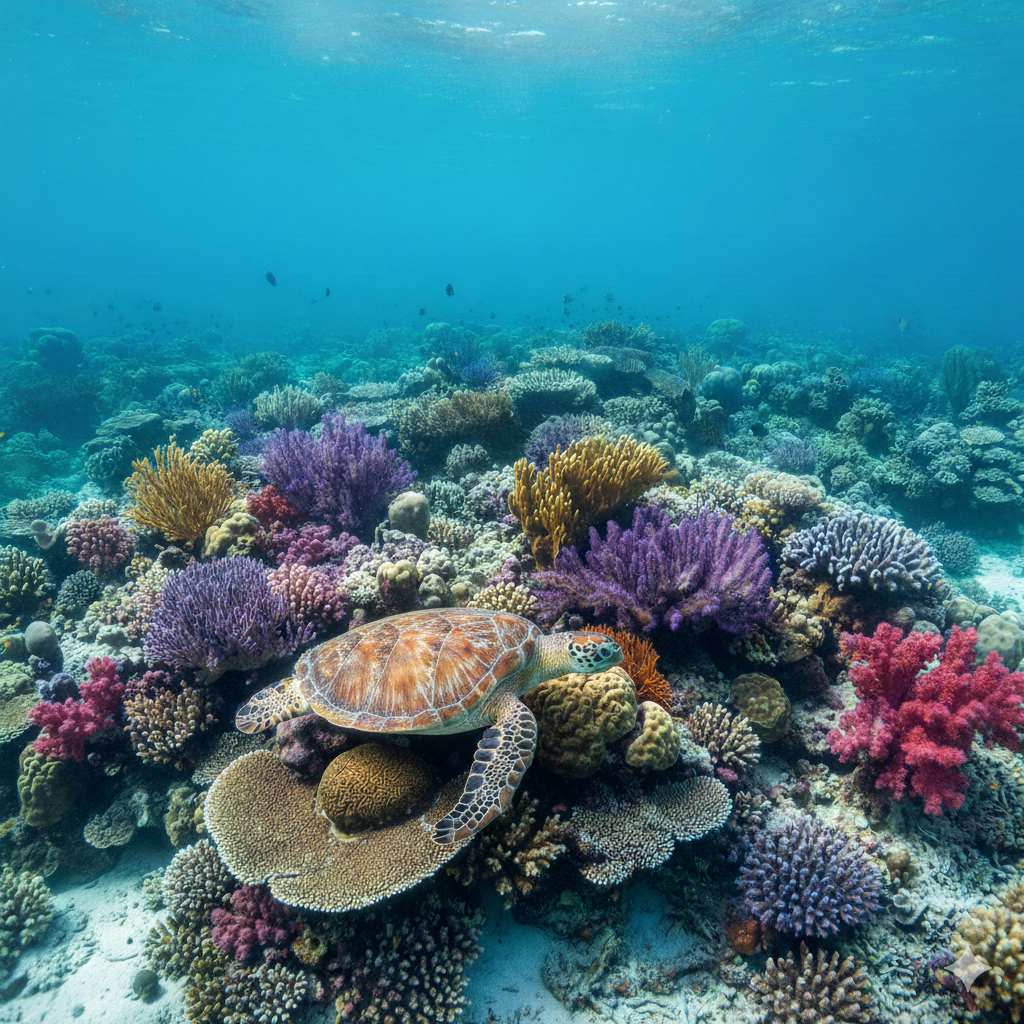
Immerse yourself in the colorful world of soft and hard corals, encounter turtles, barracudas, and an incredible variety of macro life. Amed promises an unforgettable experience – both above and below the water's surface.

The Highlight of the Region: The USAT Liberty

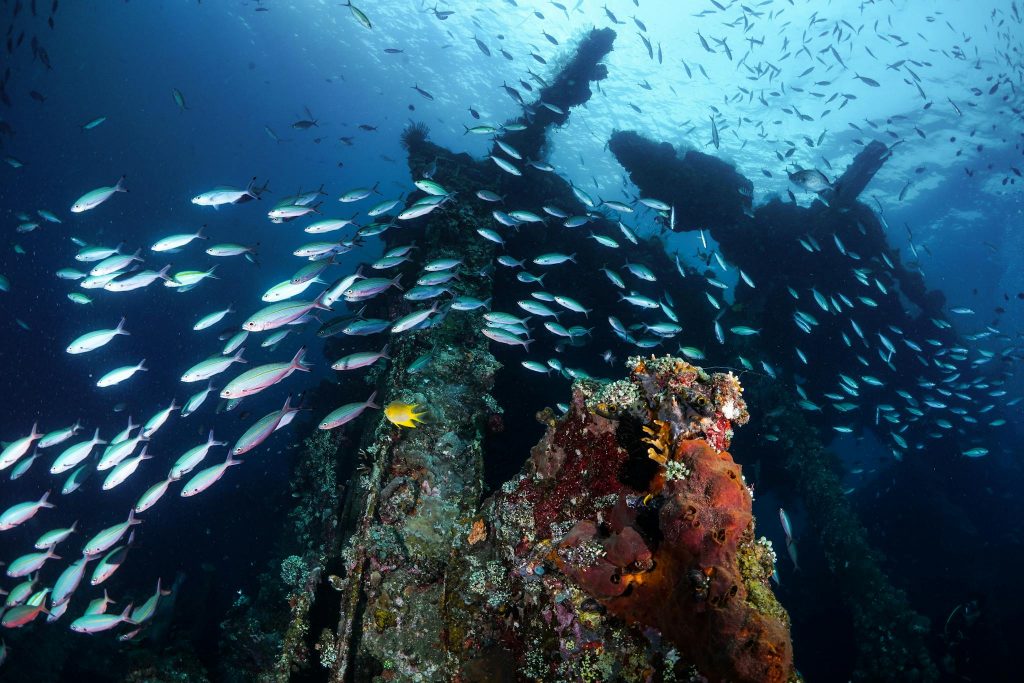
Just a short drive from Amed, one of the most spectacular diving experiences awaits you: the wreck of the USAT Liberty. This former US freighter was hit by a Japanese torpedo during World War II and eventually ran aground in Tulamben. During the eruption of Mount Agung in 1963, the ship slid from the beach into the sea and now lies at a depth of about 5 to 30 meters.

History You Can Touch: Today, the massive 120-meter-long wreck is completely covered in coral, offering a mystical backdrop that you won't soon forget.

  • Pure Biodiversity: Here you will encounter massive schools of jackfish, curious barracudas, and with a bit of luck, even the imposing bumphead parrotfish. The ship's structures serve as a perfect habitat for countless marine creatures.

  • Easy Access: You don't have to worry about a tedious boat trip. The entry is relaxed and takes place directly from the pebble beach (Shore Dive). Since the wreck starts at a shallow depth, it is also perfect for you if you prefer snorkeling.

Artificial Reef Structure: The Pyramids of Amed

The "Pyramids" owe their name to a series of about 20 artificial, pyramid-shaped concrete structures that were submerged in the 90s. Today, these structures are completely overgrown with coral and form a vibrant ecosystem on the sandy slope.

The Pyramids: These hollow structures serve as a hiding spot for countless creatures. Inside and on the walls, you will often find giant moray eels, lionfish, leaf fish, and various species of shrimp.

Turtles: Pyramids is considered one of the best spots in Amed with a high probability of encountering Green Sea Turtles or Hawksbill Turtles.

Big Fish & Macro: While you often see blue-spotted stingrays and garden eels in the sand, blacktip reef sharks or schools of barracudas occasionally patrol the deeper areas. With a bit of luck, macro fans can discover pygmy seahorses within the sea fans.

Coral Garden: In the shallower area (5–12 m), a colorful coral garden awaits you, which is also ideal for safety stops or snorkeling.